
-
We've all heard from mainstream media that omega-3s are greatly beneficial for our health. Just how crucial are they?
In this, I will cover the consequences of a lack of omega-3s and an unnecessary amount of omega-6s. I will also be covering what to look for and what to avoid when searching for a source of omega-3s.
-
As you've probably noticed, people's health-spans getting worse. Notably, Alzheimer's dementia is increasing at a rapid pace, creating much concern over the topic of brain health.
-
This means that either there's something relatively new that people are doing or something that people are not doing that is causing this.
So what could it be?
-
When we answer this question we always have to look at what the norm was pre modernity. After all, the reason we have this problem is because we have strayed from our natural environment. So what was it like before?
-
Our environment was much less toxic in earlier years. Developments in technology find new ways to pollute the earth and therefore pollute our bodies every year without fail.
-
The average human's diet is looking worse and worse every year. Our consumption of processed foods is steadily increasing, with over half of our "calories" coming from it.
-
These could both be factors, but why is our brain health in particular declining so sharply? Let's get into the most compelling, less general arguments.
Omega-3 content in the average human diet
-
First, lets describe the benefits of having a proper amount of these in the diet. The brain is a very fatty organ, consisting of roughly 60% fat. 30-40% of these fatty acids are omega-3 DHA. So your brain is largely composed of DHA. Omega-3s have been shown to have many antioxidant and neuroprotective benefits. DHA is a biological semiconductor and has unique electrical properties. As you can imagine, it's quite important for brain function. Also very helpful for your eyesight.
-
In the last 200 years, despite overall fat consumption rising slightly, our intake of omega-3 polyunsaturated fatty-acids has decreased by an estimated 80%. That is quite a steep decrease that may match the data for cognitive decline.
-
From 1909 to 1999, consumption of shellfish has dropped an estimated 74%. This is a blatant reason why we get nutrient-mogged by older generations. So many Vitamins and especially minerals lost that were replaced likely by grains. No wonder you see much more developed faces in older photographs. They weren't completely deprived of minerals in the species-appropriate amount.
-
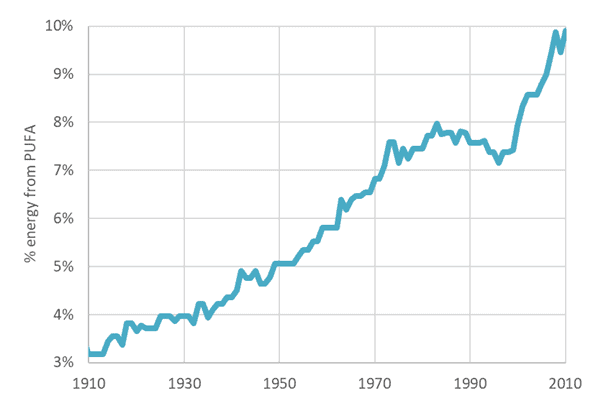
Conversely, omega-6 polyunsaturated fatty-acids consumption has risen 1300% in the past 150 years. These are said to be the 'healthy fats' that are in rancid RBD seed oils. No wonder why we are so healthy now!
-
For those of you who don't know, even mainstream science recommends that you keep a ratio of about 1:1 omega-6 to omega-3 fats. That's blown completely out of proportion by the amount of seed/vegetable oil consumption, often ending up in ratios of 20-50:1 in modern diets! This is incredibly inflammatory, inducing the production of inflammatory cytokines, which will chronically inflame you and give you arthritis, diabetes, and many more of those awesome 'chronic diseases'.
-
Please keep in mind that inflammation is never the 'root cause of disease', it's simply a response to improper stimulus.
(And going)Actions to take
- You should first get rid of all high sources of omega-6 in the diet (excluding eggs). Then, you should eat omega-3 dense foods to improve your ratio further (excluding toxic ones)
Do not fall for this
- Even soyence cannot deny the fact that omega-3s are crucial for brain health. The thing is, they've managed to use it to shill seeds to us. How surprising.
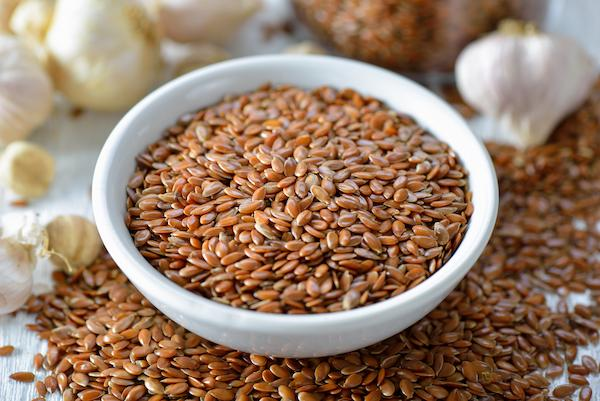
- They've tried to convince us that this could be proper nutrition in every way they know how. The facts are this: this is omega-3 ALA. This is not DHA or EPA. The body needs to convert it. So what do you think the conversion rate is? perhaps 75%? 50%? it converts at a rate of less than 15% conversion to EPA. And further, under 1-5% conversion to DHA. So in no world would you be able to rely on seeds or nuts for proper omega-3s.
- In addition to this, most nuts have more omega-6 than omega-3, along with phytic acid and other natural anti-nutrients to strip your body of minerals. You'll never achieve so called, "balance" by eating seeds.
The True healthiest sources of omega-3s to include
-
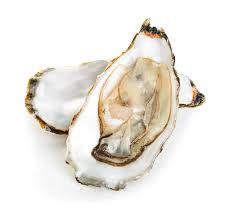
Oysters. Oysters have an unmatched vitamin and mineral profile of nearly any food and high omega-3 content. Very low toxicity in comparison to most seafood. They're great.
-
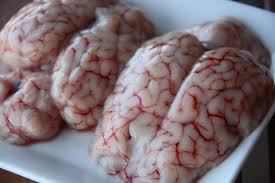
Brain/Beef brain. Brain is the densest source of DHA. Possibly the least toxic source of DHA. I will say that if you want to improve your brain, you ought to eat brain. Brain is probably damn near the best organ to eat in general so if you can get your hands on it, I can't recommend it enough. Don't worry about prions or anything of the sort if you get it from a healthy animal.
-
Mussels. For what mussels lack in vitamins they make up for in minerals. super mineral dense. Great in terms of easy access and even farmed mussels aren't toxic. Definitely a solid cheap pick. Most you can find at the store will be cooked, though.
-
Small bone-in fish, like smelt or sardines. These are very hard to find outside of a can. Do not eat them canned, as canned foods are very toxic. Non-fatty small fish aren't particularly high in omega-3s compared to some of the others on the list. lower toxicity if you get them fresh or frozen. Plus, great source of calcium from the bones, which others on the list lack.
Likely unhealthiest sources of omega-3s to avoid
- Salmon. All salmon nowadays are GMO freaks of nature, farmed or wild caught. They will make you sick af. Do not recommend. Watch Resident Raw's video on salmon before you buy them.
- large, predatory fish (Swordfish, Tuna). These guys accumulate mercury and other heavy metals much more than the smaller fish. There may be some nuance as far as the selenium content having the capability of binding to heavy metals and neutralizing them. I am not entirely sure about the mechanistic viability of that, though.
- Canned sardines. Like I said before, canned foods are never the way to go. Metal and phthalates leech into the juices and are toxic. Avoid these.

-
-
 A admin moved this topic from Home
-
Thanks for the info. Sadly, the most optimal sources of omega-3 are the hardest to source. Oysters might be doable since I can go to a local fishery... But how the fuck do I obtain cow brain legally? Or any brain.
Any advice?
-
Thanks for the info. Sadly, the most optimal sources of omega-3 are the hardest to source. Oysters might be doable since I can go to a local fishery... But how the fuck do I obtain cow brain legally? Or any brain.
Any advice?
-
We've all heard from mainstream media that omega-3s are greatly beneficial for our health. Just how crucial are they?
In this, I will cover the consequences of a lack of omega-3s and an unnecessary amount of omega-6s. I will also be covering what to look for and what to avoid when searching for a source of omega-3s.
-
As you've probably noticed, people's health-spans getting worse. Notably, Alzheimer's dementia is increasing at a rapid pace, creating much concern over the topic of brain health.
-
This means that either there's something relatively new that people are doing or something that people are not doing that is causing this.
So what could it be?
-
When we answer this question we always have to look at what the norm was pre modernity. After all, the reason we have this problem is because we have strayed from our natural environment. So what was it like before?
-
Our environment was much less toxic in earlier years. Developments in technology find new ways to pollute the earth and therefore pollute our bodies every year without fail.
-
The average human's diet is looking worse and worse every year. Our consumption of processed foods is steadily increasing, with over half of our "calories" coming from it.
-
These could both be factors, but why is our brain health in particular declining so sharply? Let's get into the most compelling, less general arguments.
Omega-3 content in the average human diet
-
First, lets describe the benefits of having a proper amount of these in the diet. The brain is a very fatty organ, consisting of roughly 60% fat. 30-40% of these fatty acids are omega-3 DHA. So your brain is largely composed of DHA. Omega-3s have been shown to have many antioxidant and neuroprotective benefits. DHA is a biological semiconductor and has unique electrical properties. As you can imagine, it's quite important for brain function. Also very helpful for your eyesight.
-
In the last 200 years, despite overall fat consumption rising slightly, our intake of omega-3 polyunsaturated fatty-acids has decreased by an estimated 80%. That is quite a steep decrease that may match the data for cognitive decline.
-
From 1909 to 1999, consumption of shellfish has dropped an estimated 74%. This is a blatant reason why we get nutrient-mogged by older generations. So many Vitamins and especially minerals lost that were replaced likely by grains. No wonder you see much more developed faces in older photographs. They weren't completely deprived of minerals in the species-appropriate amount.
-
Conversely, omega-6 polyunsaturated fatty-acids consumption has risen 1300% in the past 150 years. These are said to be the 'healthy fats' that are in rancid RBD seed oils. No wonder why we are so healthy now!
-
For those of you who don't know, even mainstream science recommends that you keep a ratio of about 1:1 omega-6 to omega-3 fats. That's blown completely out of proportion by the amount of seed/vegetable oil consumption, often ending up in ratios of 20-50:1 in modern diets! This is incredibly inflammatory, inducing the production of inflammatory cytokines, which will chronically inflame you and give you arthritis, diabetes, and many more of those awesome 'chronic diseases'.
-
Please keep in mind that inflammation is never the 'root cause of disease', it's simply a response to improper stimulus.
(And going)Actions to take
- You should first get rid of all high sources of omega-6 in the diet (excluding eggs). Then, you should eat omega-3 dense foods to improve your ratio further (excluding toxic ones)
Do not fall for this
- Even soyence cannot deny the fact that omega-3s are crucial for brain health. The thing is, they've managed to use it to shill seeds to us. How surprising.
- They've tried to convince us that this could be proper nutrition in every way they know how. The facts are this: this is omega-3 ALA. This is not DHA or EPA. The body needs to convert it. So what do you think the conversion rate is? perhaps 75%? 50%? it converts at a rate of less than 15% conversion to EPA. And further, under 1-5% conversion to DHA. So in no world would you be able to rely on seeds or nuts for proper omega-3s.
- In addition to this, most nuts have more omega-6 than omega-3, along with phytic acid and other natural anti-nutrients to strip your body of minerals. You'll never achieve so called, "balance" by eating seeds.
The True healthiest sources of omega-3s to include
-
Oysters. Oysters have an unmatched vitamin and mineral profile of nearly any food and high omega-3 content. Very low toxicity in comparison to most seafood. They're great.
-
Brain/Beef brain. Brain is the densest source of DHA. Possibly the least toxic source of DHA. I will say that if you want to improve your brain, you ought to eat brain. Brain is probably damn near the best organ to eat in general so if you can get your hands on it, I can't recommend it enough. Don't worry about prions or anything of the sort if you get it from a healthy animal.
-
Mussels. For what mussels lack in vitamins they make up for in minerals. super mineral dense. Great in terms of easy access and even farmed mussels aren't toxic. Definitely a solid cheap pick. Most you can find at the store will be cooked, though.
-
Small bone-in fish, like smelt or sardines. These are very hard to find outside of a can. Do not eat them canned, as canned foods are very toxic. Non-fatty small fish aren't particularly high in omega-3s compared to some of the others on the list. lower toxicity if you get them fresh or frozen. Plus, great source of calcium from the bones, which others on the list lack.
Likely unhealthiest sources of omega-3s to avoid
- Salmon. All salmon nowadays are GMO freaks of nature, farmed or wild caught. They will make you sick af. Do not recommend. Watch Resident Raw's video on salmon before you buy them.
- large, predatory fish (Swordfish, Tuna). These guys accumulate mercury and other heavy metals much more than the smaller fish. There may be some nuance as far as the selenium content having the capability of binding to heavy metals and neutralizing them. I am not entirely sure about the mechanistic viability of that, though.
- Canned sardines. Like I said before, canned foods are never the way to go. Metal and phthalates leech into the juices and are toxic. Avoid these.
@Swansven said in Importance of Omega-3s in the Diet and where to get them
 :
:These guys accumulate mercury and other heavy metals much more than the smaller fish. There may be some nuance as far as the selenium content having the capability of binding to heavy metals and neutralizing them.
Aajonus said the mercury found in fish is different from the mercury in vaccines. What do you say to that?
-
-
@Swansven said in Importance of Omega-3s in the Diet and where to get them
:These guys accumulate mercury and other heavy metals much more than the smaller fish. There may be some nuance as far as the selenium content having the capability of binding to heavy metals and neutralizing them.
Aajonus said the mercury found in fish is different from the mercury in vaccines. What do you say to that?
-
A admin moved this topic from null

Hello! It looks like you're interested in this conversation, but you don't have an account yet.
Getting fed up of having to scroll through the same posts each visit? When you register for an account, you'll always come back to exactly where you were before, and choose to be notified of new replies (either via email, or push notification). You'll also be able to save bookmarks and upvote posts to show your appreciation to other community members.
With your input, this post could be even better 💗
Register Login