-
Has anyone ever dealt with raw cheese? I've been keeping the milk for two days now, but I'm still far from seeing any visible whey
How long did you keep the milk until the cottage cheese was ready? -
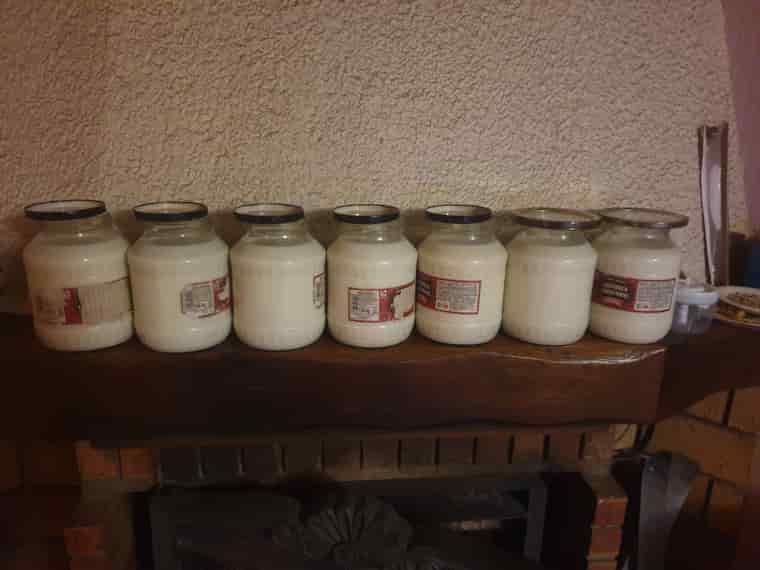
I'm lucky because thanks to my fireplace, I can keep the milk at a high temperature (30 degrees) for a long time, and in literally 48 hours without adding anything, it's already ready for cheese.
If I add a ferment such as old yogurt, it's done in 24 hours.
The secret is heat; without heat, it can take forever.
If you don't have a fireplace like me, the best thing to do is to heat your milk to 30 degrees and add some old fermented milk to it. That will speed things up. Of course, you should leave it at room temperature and reheat it from time to time.
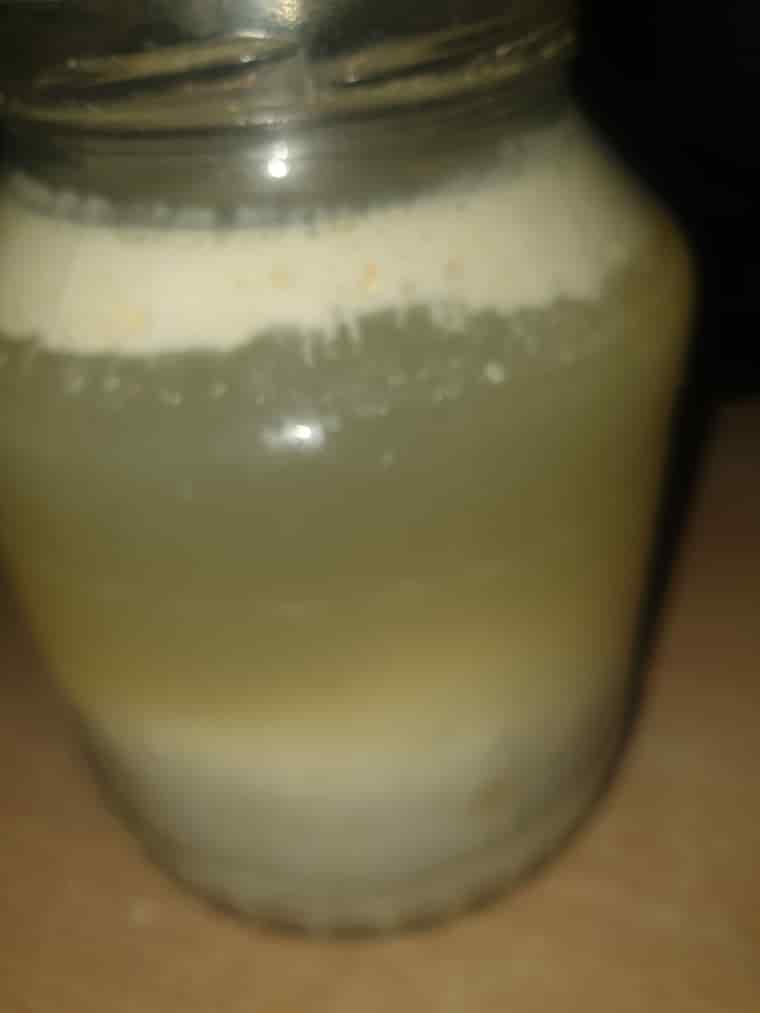
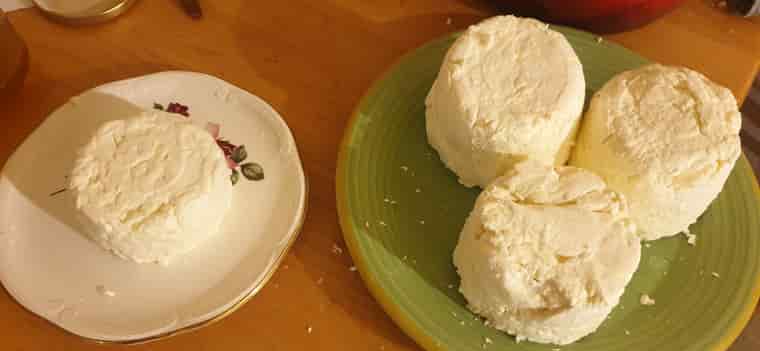
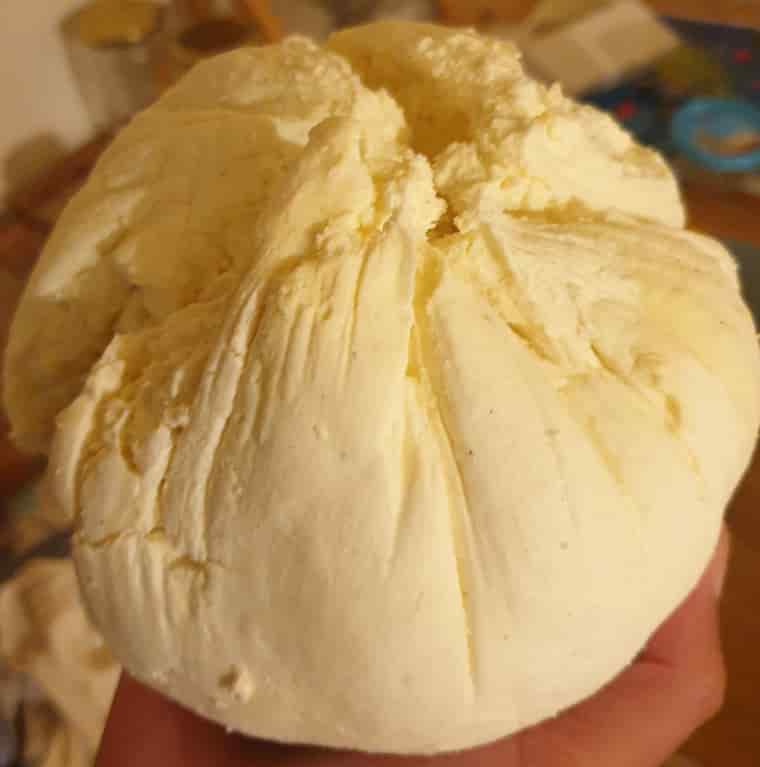
Once the whey is separated from the curds, I put everything in a fine mesh strainer to remove the whey, and I put the curds and cream in cheesecloth to drain.
I then use the whey to cut vegetable juice (3 liters of juice for 1.5 liters of whey) or hydration formulas.

-
I'm lucky because thanks to my fireplace, I can keep the milk at a high temperature (30 degrees) for a long time, and in literally 48 hours without adding anything, it's already ready for cheese.
If I add a ferment such as old yogurt, it's done in 24 hours.
The secret is heat; without heat, it can take forever.
If you don't have a fireplace like me, the best thing to do is to heat your milk to 30 degrees and add some old fermented milk to it. That will speed things up. Of course, you should leave it at room temperature and reheat it from time to time.
Once the whey is separated from the curds, I put everything in a fine mesh strainer to remove the whey, and I put the curds and cream in cheesecloth to drain.
I then use the whey to cut vegetable juice (3 liters of juice for 1.5 liters of whey) or hydration formulas.
-
@admin thx
-
I'm lucky because thanks to my fireplace, I can keep the milk at a high temperature (30 degrees) for a long time, and in literally 48 hours without adding anything, it's already ready for cheese.
If I add a ferment such as old yogurt, it's done in 24 hours.
The secret is heat; without heat, it can take forever.
If you don't have a fireplace like me, the best thing to do is to heat your milk to 30 degrees and add some old fermented milk to it. That will speed things up. Of course, you should leave it at room temperature and reheat it from time to time.
Once the whey is separated from the curds, I put everything in a fine mesh strainer to remove the whey, and I put the curds and cream in cheesecloth to drain.
I then use the whey to cut vegetable juice (3 liters of juice for 1.5 liters of whey) or hydration formulas.
-
@Primal-Junkie The dimensions of the photo are too big, lower the dimensions by screenshotting and cropping it
-
@ela Yes, I tried that solution, but it doesn't work.
-
This post is deleted!
-
I'm lucky because thanks to my fireplace, I can keep the milk at a high temperature (30 degrees) for a long time, and in literally 48 hours without adding anything, it's already ready for cheese.
If I add a ferment such as old yogurt, it's done in 24 hours.
The secret is heat; without heat, it can take forever.
If you don't have a fireplace like me, the best thing to do is to heat your milk to 30 degrees and add some old fermented milk to it. That will speed things up. Of course, you should leave it at room temperature and reheat it from time to time.
Once the whey is separated from the curds, I put everything in a fine mesh strainer to remove the whey, and I put the curds and cream in cheesecloth to drain.
I then use the whey to cut vegetable juice (3 liters of juice for 1.5 liters of whey) or hydration formulas.
-
I'm lucky because thanks to my fireplace, I can keep the milk at a high temperature (30 degrees) for a long time, and in literally 48 hours without adding anything, it's already ready for cheese.
If I add a ferment such as old yogurt, it's done in 24 hours.
The secret is heat; without heat, it can take forever.
If you don't have a fireplace like me, the best thing to do is to heat your milk to 30 degrees and add some old fermented milk to it. That will speed things up. Of course, you should leave it at room temperature and reheat it from time to time.
Once the whey is separated from the curds, I put everything in a fine mesh strainer to remove the whey, and I put the curds and cream in cheesecloth to drain.
I then use the whey to cut vegetable juice (3 liters of juice for 1.5 liters of whey) or hydration formulas.